from 0 review
Any Duration
Daily Tour
Unlimited
Any Preferred Language
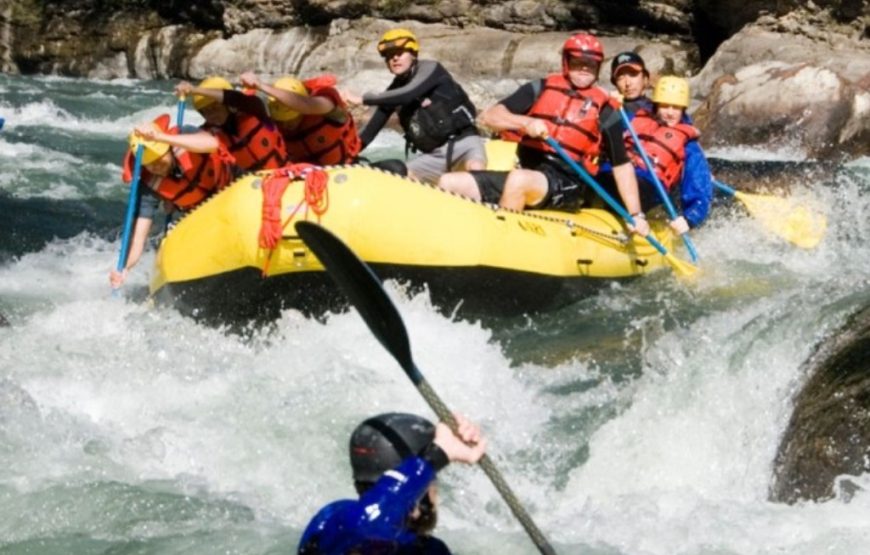
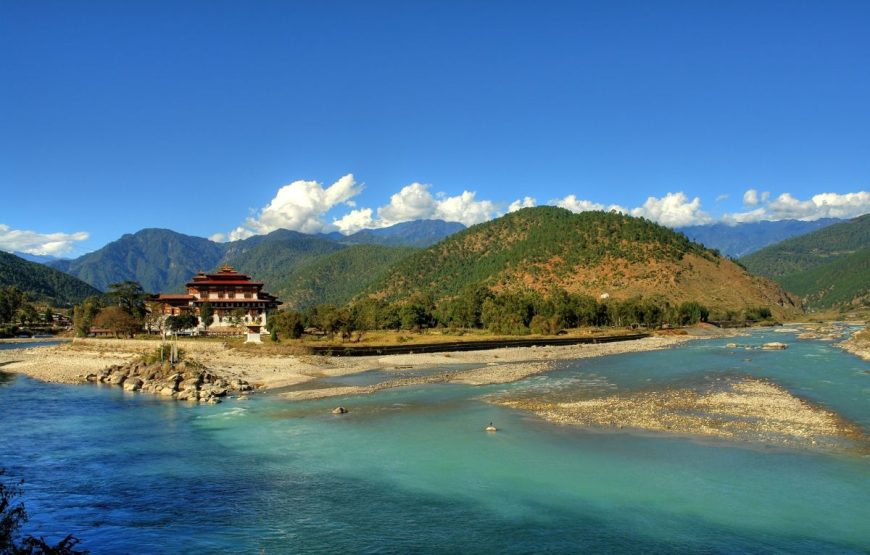
The crystal clear rivers of Bhutan are one of the kingdom’s best kept open secrets. Fed by the glacial-melt of the Eastern Himalayas, six major rivers (Wang Chhu, Sunkosh, Puna Tsang Chhu, MangdeChhu, KuriChhu and DangmeChhu and their tributaries), have been scouted for kayaking and rafting.
They cut through high valleys and low plains to meet up with the Brahmaputra River in India. The pristine natural setting and the sheer variety of the rivers’ courses provides a unique opportunity to explore Bhutan’s beautiful wilderness. Adventurous travelers will not be disappointed by the rugged, untamed waterways of Bhutan. The rivers are plentiful with strong currents varying between slow, gentle flows in some places and powerful, raging torrents can be found throughout the country. Although adventure sports and tourism are relatively recent introductions to Bhutan, they are rapidly gaining in popularity.
The river courses available in Bhutan offer something for all visitors, regardless of experience: There are easy routes for beginners and hair-raising runs for the veterans. Besides the rafts and the kayaks, Bhutanese agents also organize walking and trekking expeditions along the scenic river banks. The best time for rafting and kayaking is from March to April and November to December.
Safety
Bhutanese rafting and kayaking guides are well trained and will do everything to ensure that you enjoy the adventure while minimizing the risks. The rivers of Bhutan were first surveyed for potential routes for water sports in 1997 by Gerry Mofatt and Peter Knowles, both experienced rafters/kayakers at the invitation of the Royal Government and the Department of Tourism.
They trained the first batch of Bhutanese river-guides and conducted surveys to grade the rivers. Since then, other rivers have been surveyed including the PunatsangChhu, Manas and AmoChhu. TCB guidelines ensure that all operators use well maintained professional equipment and maintain a reasonable guide-client ratio.
KAYAKING AND RAFTING ROUTES
ParoChhu (Bondey – Isuna Bridge)
Location: Paro Valley, Western Bhutan
Length: Approximately 10 km (3 hours)
Difficulty: Class III-IV
Flow: About 500 cfs
Season: March – April
Craft: Kayaks recommended due to narrow and steep rapids
Upper Pho Chhu (Wangthangkha – Samdingkha)
Location: Punakha Valley, Western Bhutan
Length: Approximately 7 km (2 hours)
Difficulty: Class III-IV
Flow: 2000 -3000 cfs
Season: March – April, October – November
Craft: Kayaks and Rafts
Mo Chhu – Tashitang Devil’s Gorge Section (Tashithang- Below PunakhaDzong)
Location:Punakha Valley, Western Bhutan
Length: 12 km, 5 -7 hours with scouting
Difficulty: Class V
Flow: 1000 cfs
Season: February/December.
Craft: Kayaks only (too steep for rafts)
(Caution: Higher than medium flows makes this run dangerous. High water runs are not recommended for amateurs)
MangdeChhu – Upper Section (YundoCholing Palace- Langthel)
Location: Trongsa, Central Bhutan
Length: Approximately 5 km (2 hours with scouting)
Difficulty: Class IV
Flows: Approximately 3000 cfs
Season: March – April, November – December
Craft: Kayaks
Xplore Bhutan – Adventure Specialists (XBAS) would like to invite you on one of our fabulous day raft trips in the Punakha Valley on either the Mo Chhu or Pho Chhu rivers. Our trips are of the highest quality and enable you to see one of the two most spectacular valleys in Bhutan from a different perspective.
Pho Chhu
Difficulty: Intermediate, Class III
Minimum age 10
Meeting time & Duration: 10am at PunakhaDzong. Expect to finish at the high school around 3pm.
This wonderful class III is good a good introduction to whitewater with some fun intermediate rapids and spectacular scenery. Start your trip with a leisurely two-hour hike up to the Put in at Samdenkha. Advisable to carry a light picnic lunch. This trip can be run year round except for maybe in the peak monsoon months (July end to Mid September)
Mo Chhu – “The Temple Stretch”
Difficulty: Easy, Class II
Minimum age – 7
Meeting time & Duration: 10am at the Nyezergang bridge.Finish around 2 pm.
This good stretch is for those who are apprehensive about going on a whitewater trip. Start your day by taking an hour or so hiking up to the temple at Nyezengong and then floating down the scenic Mo Chhu past the PunahkaDzong and to the take out at the high school. It is recommended to finish by mid afternoon, as an upstream wind is common most afternoons. This trip can be run year round with the trips being about half an hour to forty five minutes shorter during the monsoon months.
The Upper Mo Chhu
Difficulty: Advanced, Class IV
Minimum age: 13
Meeting Time: 10am at the Nyezergang Bridge. Finish around 3pm
This is one of the most extreme sections of water rafted in the Punakha Valley – This run takes you through some really interesting class III & IV rapids and a beautiful gorge. This trip can be run only in the months of March to May (depending on the volume of the river which in turn depends on the amount of snow melt….. No snow in the winter means less chances of rafting this section…. and Mid October to Early December
We see lots of bird life and it is not uncommon to see a family of otters
All trips include:
Safety talk, wetsuit, lifejacket, splash jacket, helmet & experienced guides.
What to bring:
Sturdy sandals or tennis shoes, sun hat, water bottle, polypro or wool top.
Please Note:
We takes all possible precautions insuring a safe journey (such as experienced guides on every trip and top of the line equipment) all whitewater trips entails an element of risk and it is recommended that all participants have the ability to swim and are in good health.
Bhutan is a year-round destination. There are four seasons: summer (June to August), autumn (September to November), winter (December to February) and spring (March to May). But because of the range of altitudes in the country, and the influence of the north Indian monsoons, the climate is incredibly varied.
In the south, the humid, subtropical climate is fairly consistent year-round, with temperatures between 15oC and 30oC. Central Bhutan, with its temperate forests, has a more seasonal climate, with warm summers and cool, dry winters. The northern regions are much colder during winter. Because of the high altitude, mountain peaks are snowy year-round and the lower reaches remain cool in summer.
In summer, the Indian monsoon season runs from late June or July to late September, mostly affecting the southern regions. Most farming activities take place in the summer, when crops thrive in verdant landscapes.
Autumn, from late September or early October to late November, follows the rainy season. It is characterised by bright, sunny days and some early snowfall at higher elevations. It’s the season of feasts and festivals as farmers reap the fruits of their work.
From late November until March, the crisp, clear and sunny winter sets in, with frost throughout much of the country and snowfall common above elevations of 3,000 metres. The winter northeast monsoon brings gale-force winds at the highest altitudes through high mountain passes, giving Bhutan the name Drukyul, which means Land of the Thunder Dragon in Dzongkha (Bhutan’s national language).
Bhutan’s generally dry spring starts in early March and lasts until mid-April. It is a botanist’s delight, with nature in full bloom. Summer weather commences in mid-April with occasional showers and continues to late June.
If you would like to book completely independently, there are plenty of online resources for inspiration, research and booking – including this website. There are lots of experienced, accredited tour operators that can help you too. Please check our website https://services.bhutan.travel/ for a full list of DOT-certified Tour Operators, hotels and guides.
Our host team is also on hand to help provide you with information as you plan your journey.
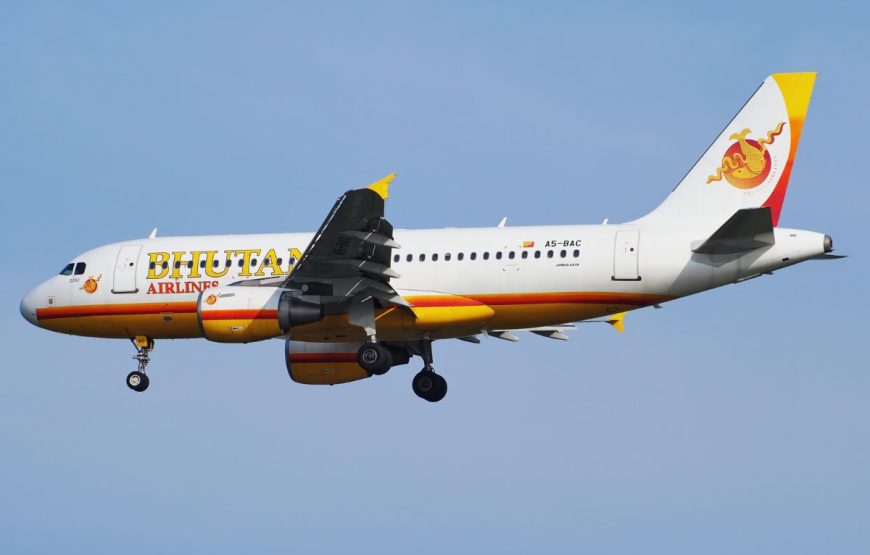
The country has one international airport located in Paro. Flights operated by Drukair and Bhutan Airlines arrive and depart from destinations including Bangkok, Delhi, Kolkata, Bagdogra, Bodhgaya, Dhaka, Kathmandu, Guwahati and Singapore. Private jets or charters can fly into Bhutan after obtaining the relevant approvals.
There are also domestic airports in Yonphula in eastern Bhutan, Bumthang in central Bhutan, and Gelephu in south-central Bhutan.
There are no rules about what visitors should wear. However if you are planning to visit places of religious significance, respectful smart-casual clothing that covers your body from shoulders to knees is appropriate and appreciated.